
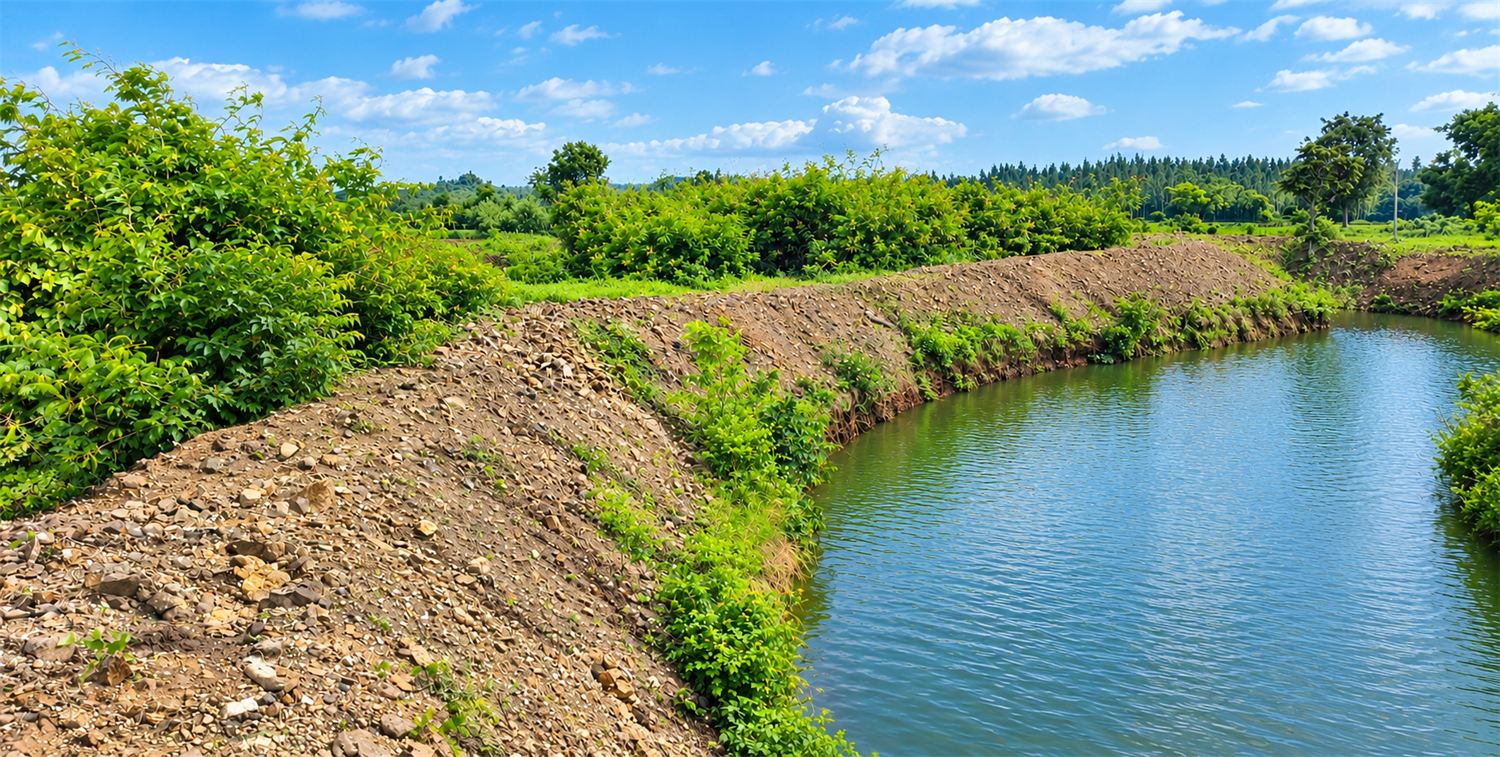
A Doha Model structure holding clear water beside a bund in Yavatmal district

Home › Programmes › Water & Land Resource Development

Programme 01

Water & Land Resource Development

Conserving rainwater, improving groundwater recharge and strengthening the land and water base on which rural farming depends.

2,800+

Doha structures built across Maharashtra

500+ km

of seasonal streams treated

300+

villages made tanker-free

5,300+

recharge pits constructed

What we do

Water & Land Resource Development: our activities

A Doha Model structure holding water along a seasonal stream

Doha Model

Dilasa’s signature water-conservation innovation uses saucer-shaped excavations along seasonal streams, with natural earthen bunds retained between structures. It slows monsoon runoff, supports groundwater recharge and helps extend water availability for agriculture.

Impact2,800+ Doha structures built across Maharashtra | 500+ km of seasonal streams treated | 30,000+ acres covered | 4,400+ crore litres of water percolated per year | 300 villages made tanker-free.
Discover the Doha Model→

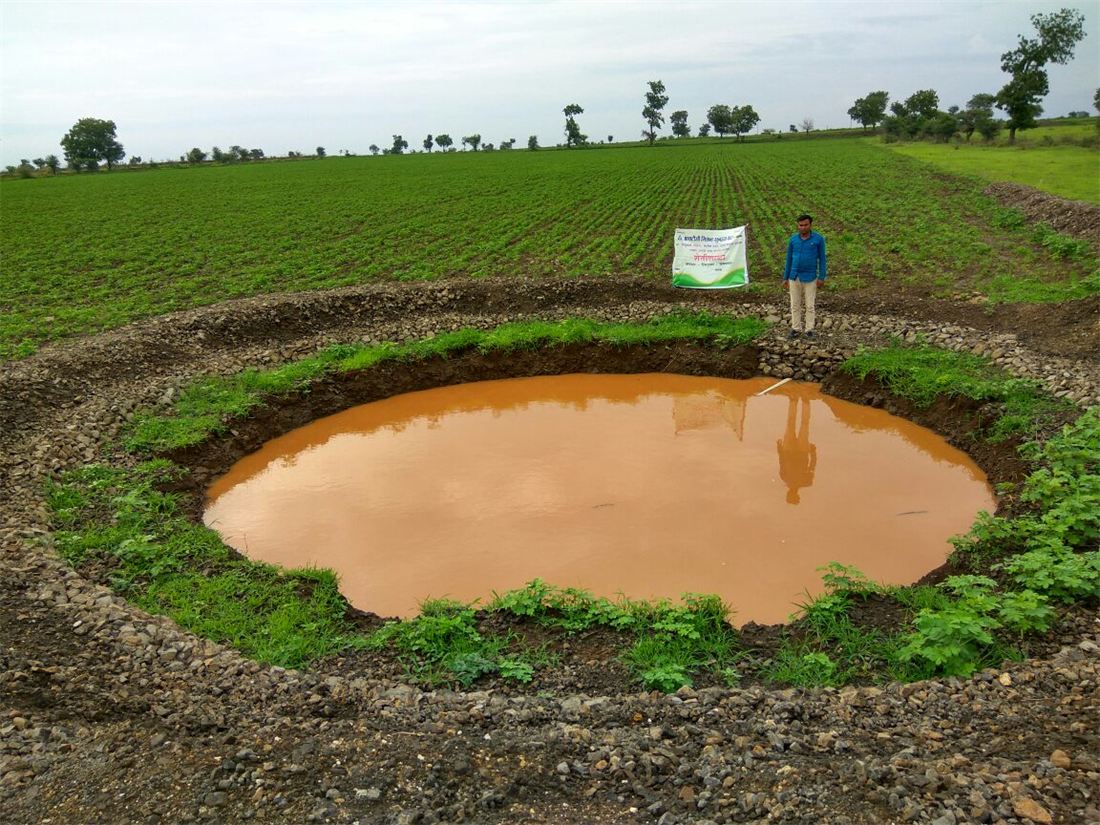
A circular recharge pit holding water in a green field

Recharge Pits

Recharge pits allow rainwater and surface runoff to percolate into the ground instead of being lost as surface runoff. They strengthen groundwater availability and support protective irrigation in water-stressed areas.

Impact5,300+ recharge pits constructed | Approx. 463 crore litres of water percolated annually | Approx. 10,600 acres supported through protective irrigation.

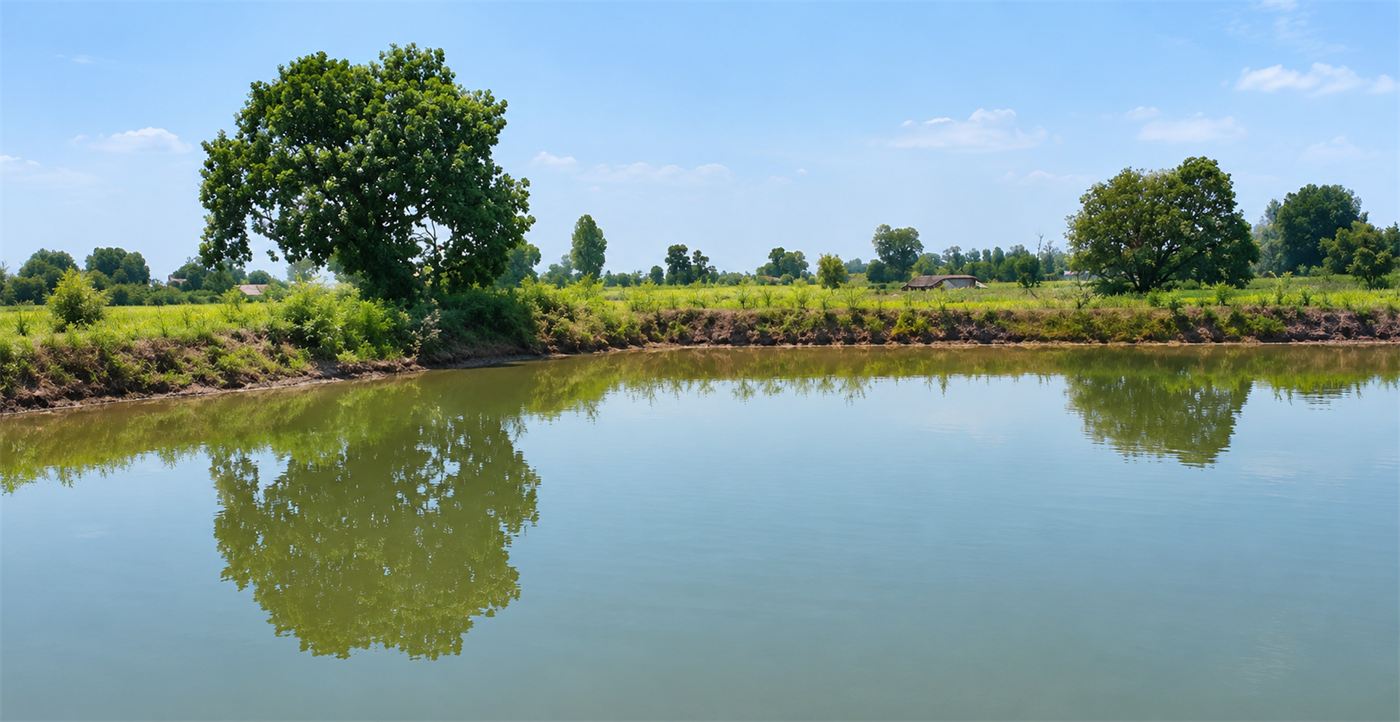
A Bodi-Phad water storage structure with a tree reflected in the water

Bodi / Bodi-Phad Structures

Small water-storage structures paired with channel-based distribution help retain water and share it more effectively across nearby farms. The approach provides a decentralised solution for dryland farming communities.

Impact450+ Bodi-Phad structures developed.

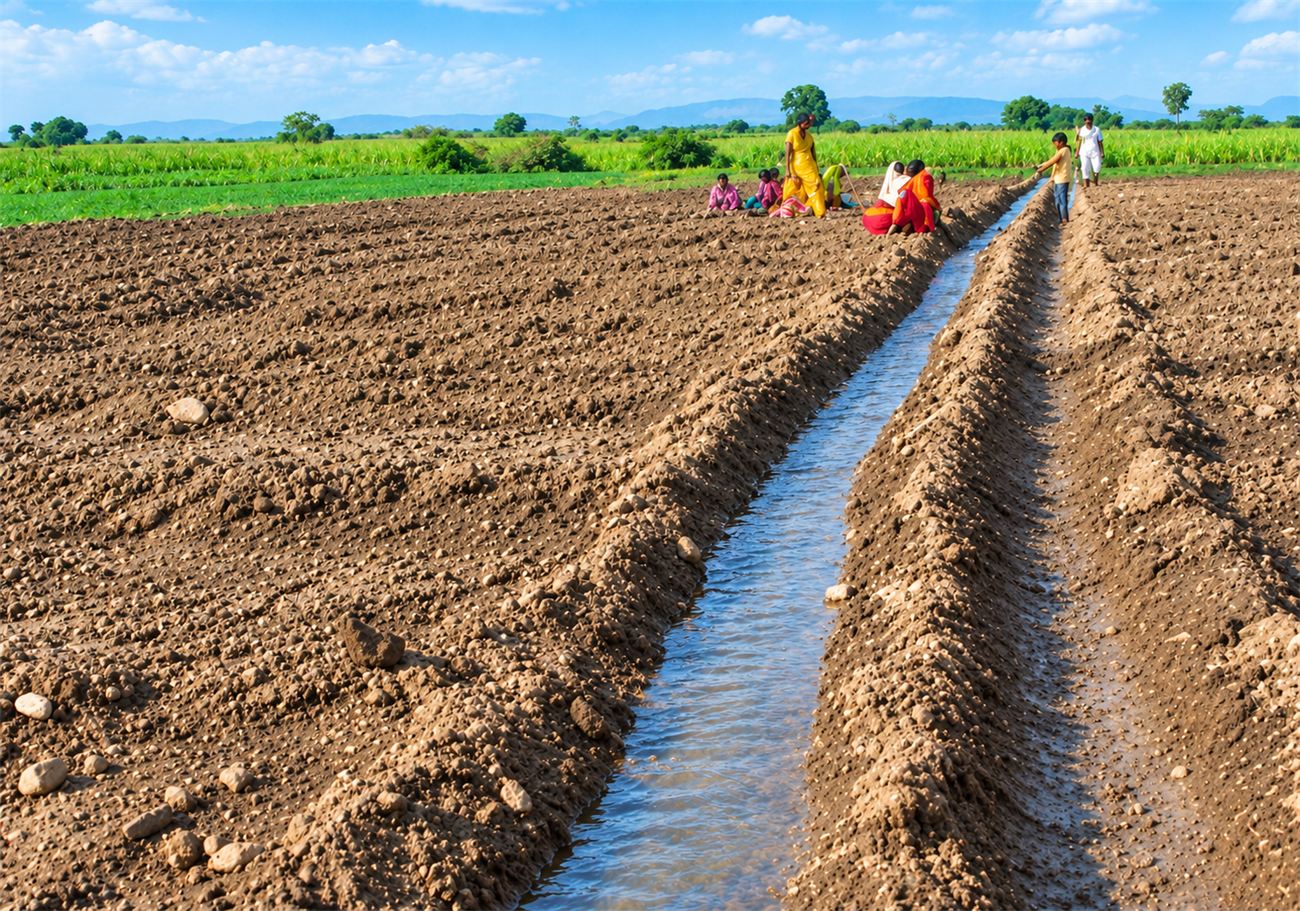
A gravity-fed Phad irrigation channel running through a ploughed field

Phad Irrigation

Dilasa supports the revival and adaptation of the traditional Phad irrigation approach, using small storage structures and gravity-based channels for community-managed water distribution.

Impact252 Phad structures built over the past decade.

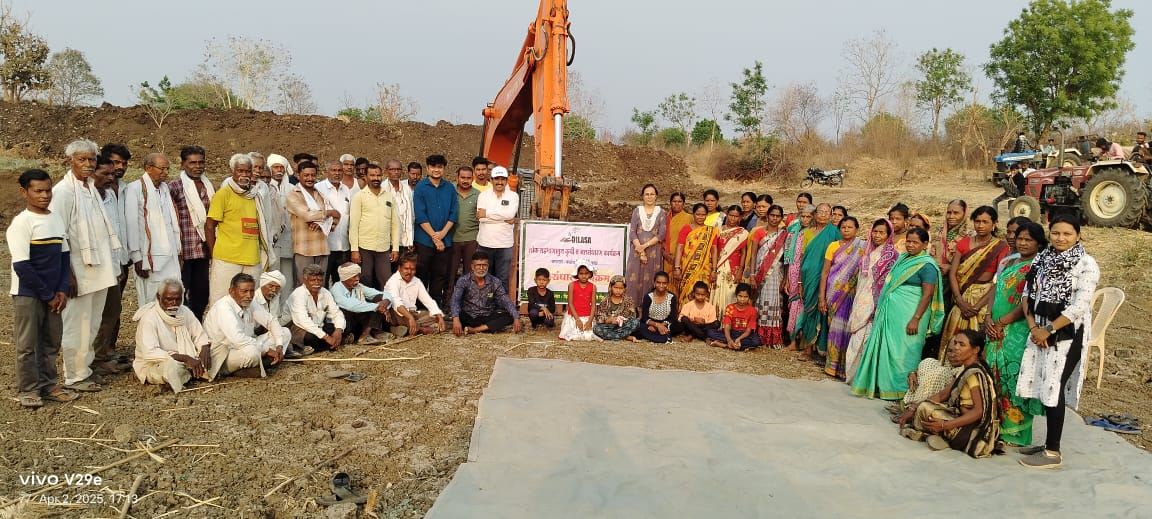
Villagers at the inauguration of a dam desilting programme

Dam Desiltation

Desiltation restores lost storage capacity in existing tanks and dams, allowing villages to retain more monsoon water. Recovered silt also supports agricultural soil fertility for participating farmers.

Impact930+ dams desilted | Approx. 20,000 cubic metres estimated per dam | Approx. 1,860 crore litres of storage created | 43,400 farmers benefited from quality silt and improved water availability.

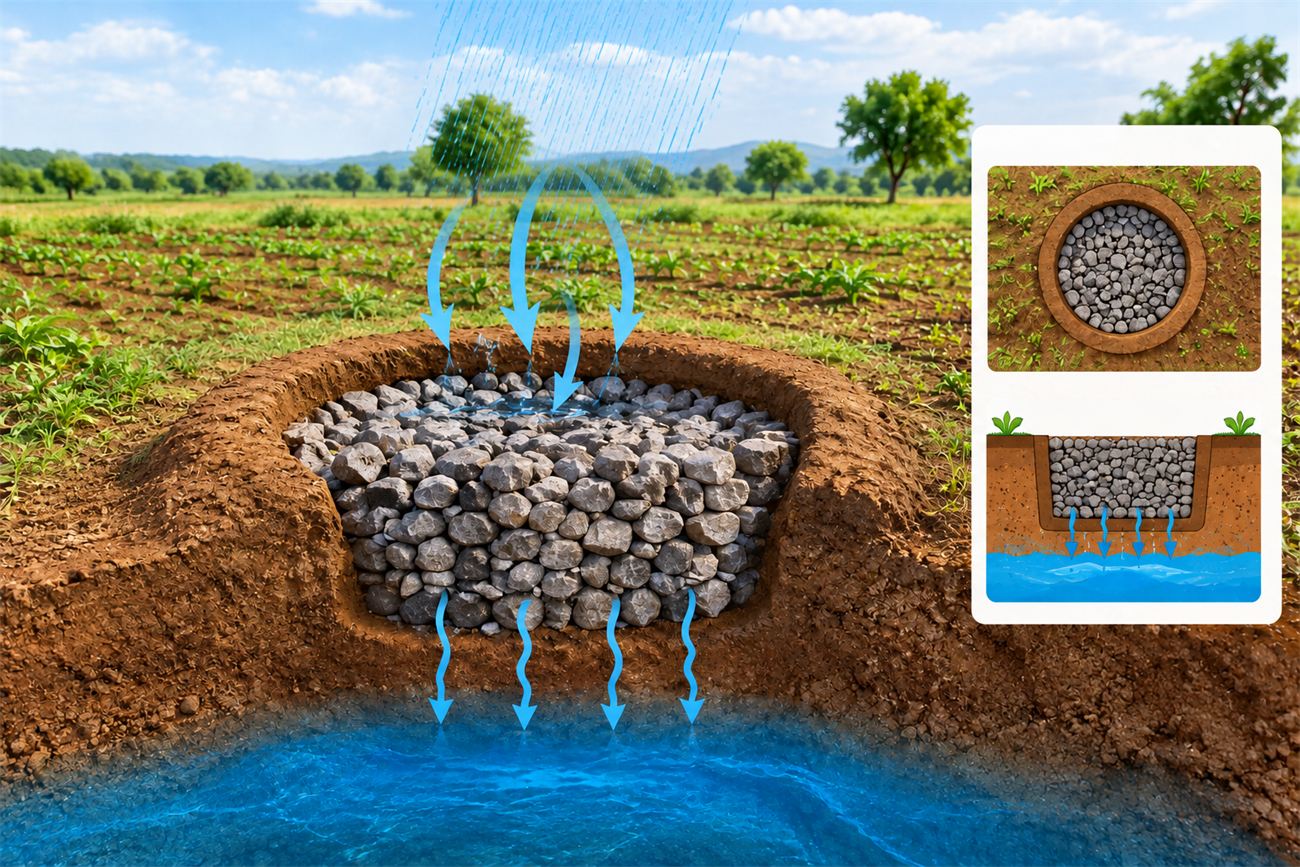
Illustration of a stone-filled Jaltara recharge structure

Jaltaras Structures

Small, low-cost water-retention structures at the micro-catchment level help slow runoff before it reaches larger streams. They complement larger watershed and water-harvesting interventions.

Impact1,100+ Jaltaras structures.

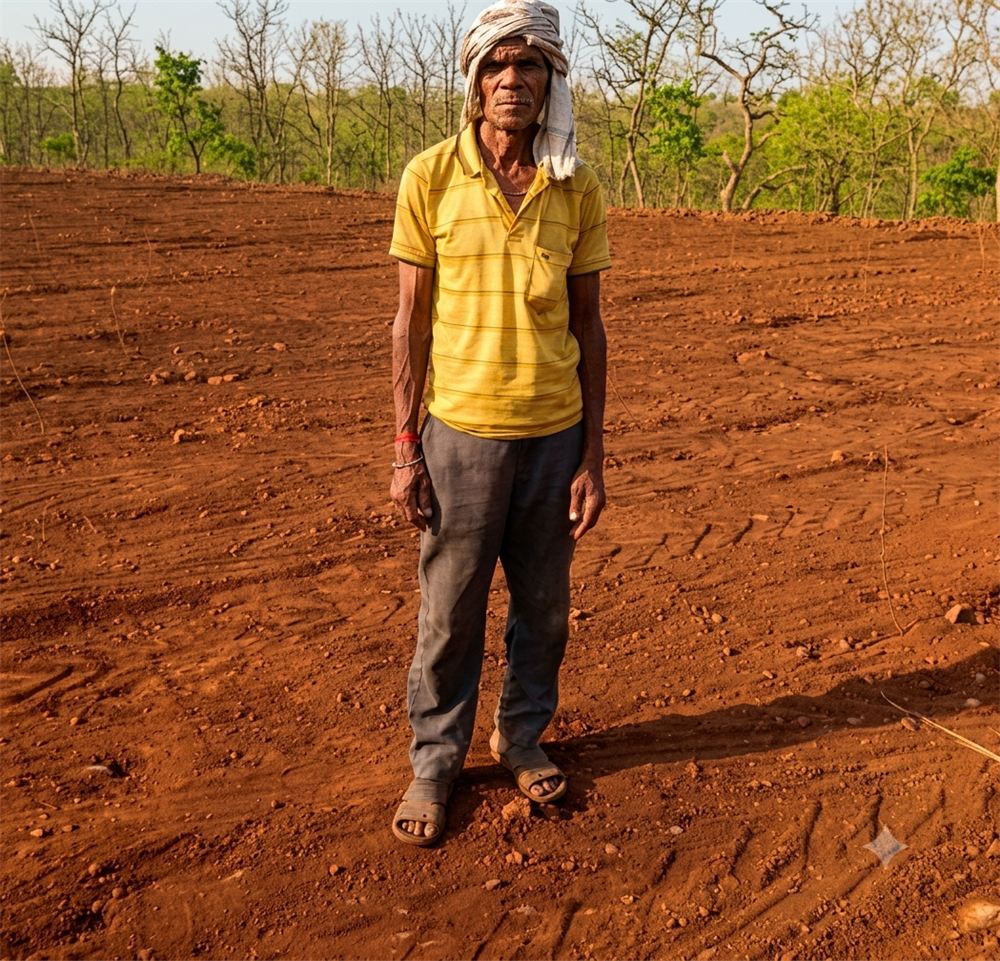
A farmer standing on freshly developed red-soil farmland

Farmland Development

Farm bunds, contour trenching, farm ponds, drip and sprinkler irrigation, loose boulder structures, check dams and gabions help reduce erosion, retain moisture and improve the productive capacity of farmland.

Impact100,000+ hectares treated with farm bunds and contour trenching | 1,200+ drip and sprinkler systems | 4,800+ loose boulder, check dam and gabion structures.

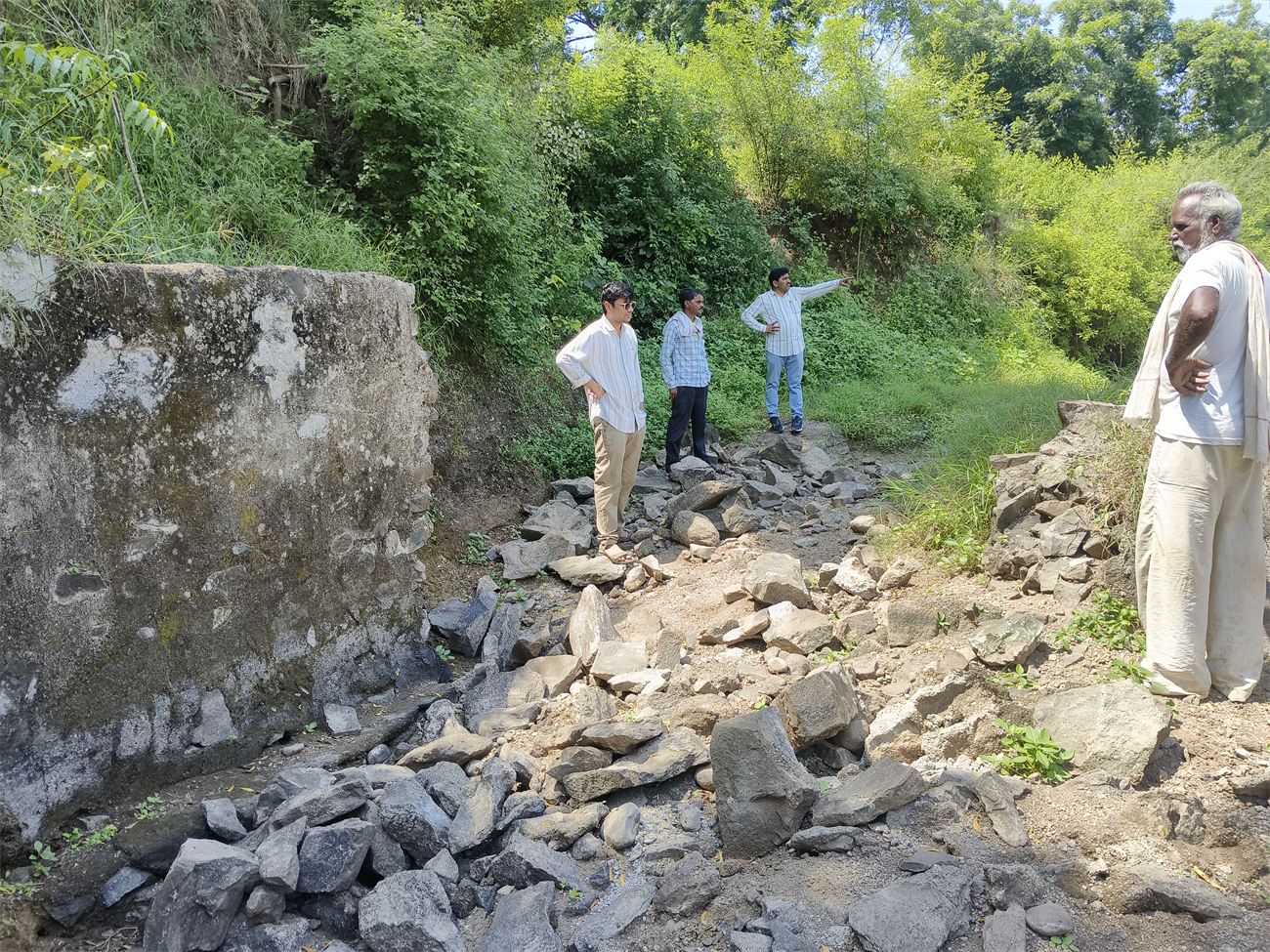
Villagers inspecting a repaired stone water structure in a stream

Repair of Existing Water Structures

Repairing existing water infrastructure restores the function of structures that communities already depend on, improving their usefulness for local water retention and management.

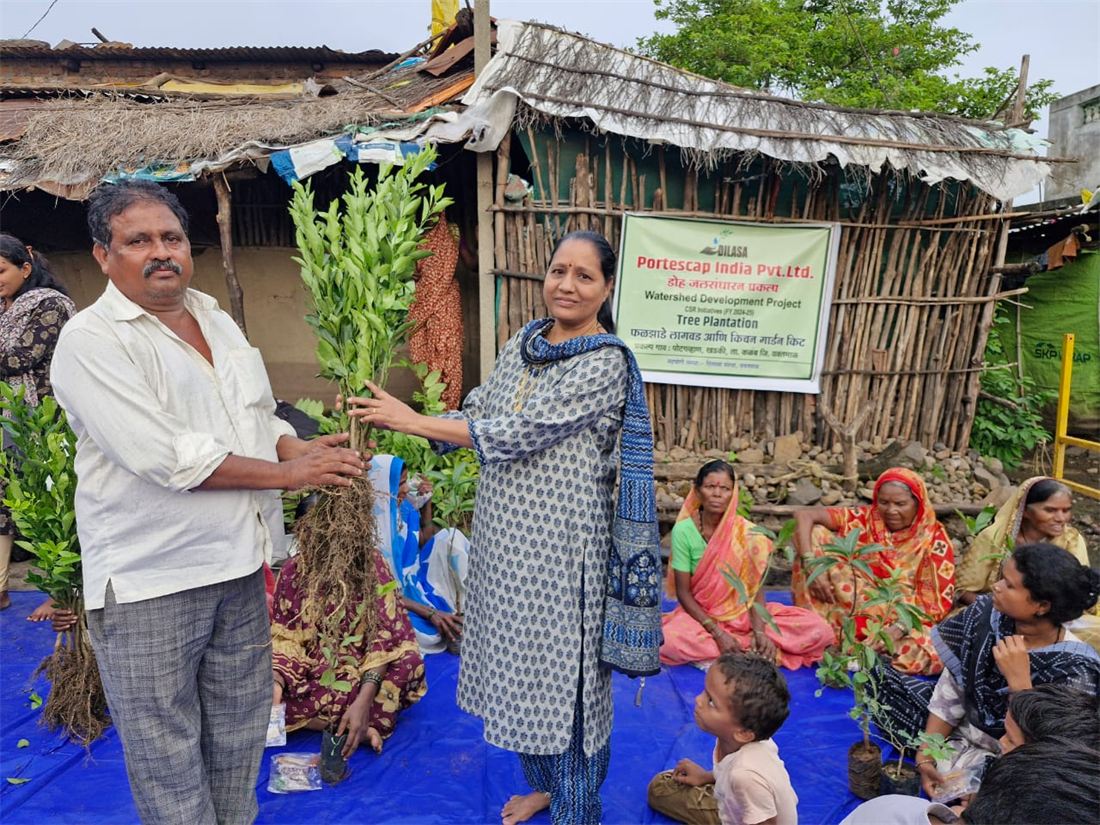
Farmers and women holding saplings at a horticulture and nutrition session

Horticulture & Nutrition

Season-based horticulture interventions, including fruit orchards, vegetable cultivation, kitchen gardens and nutrition awareness, help diversify farm production, improve household nutrition and create sustainable long-term income sources for rural families.

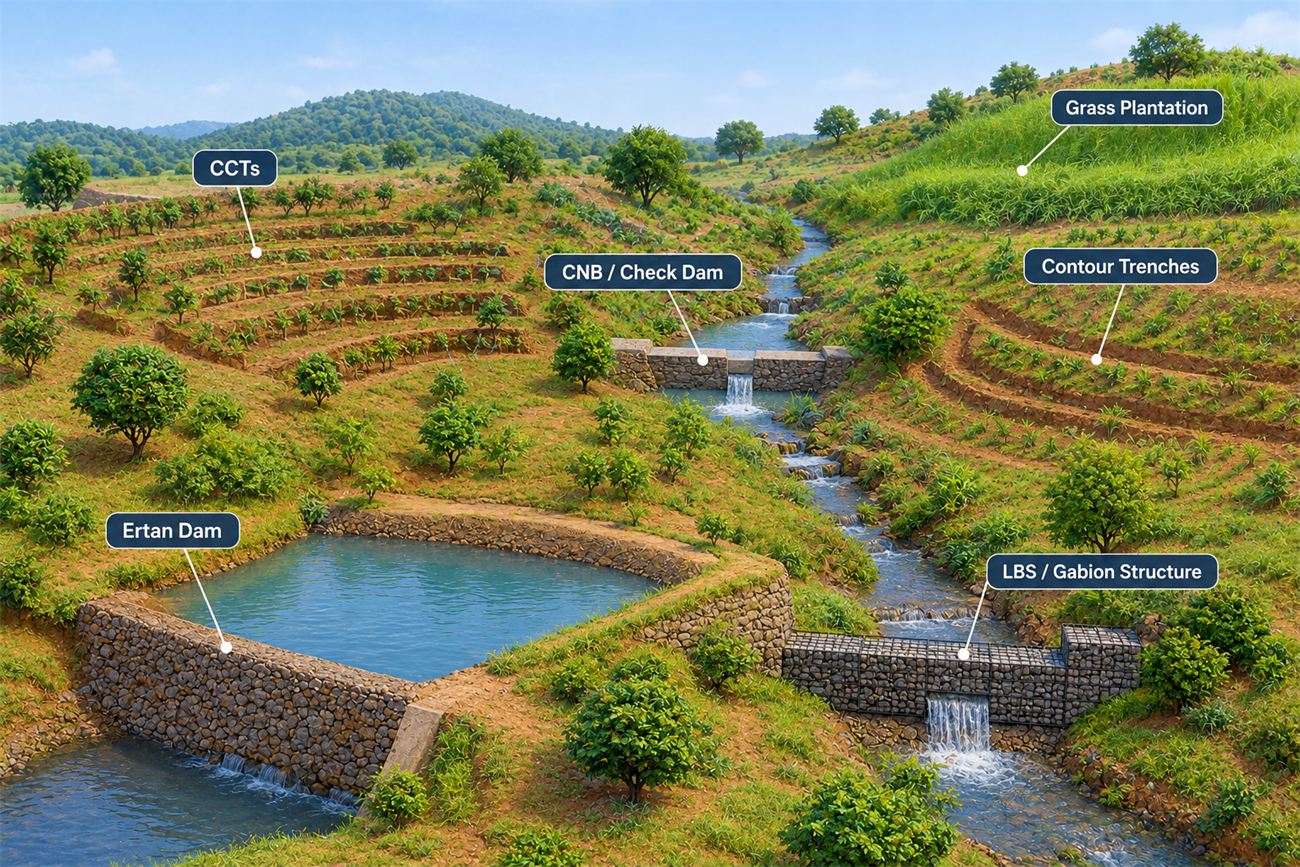
Illustration of watershed treatment with contour trenches, check dams and gabions

Rainwater Harvesting & Area Treatment

Rainwater harvesting and watershed treatments such as CCTs, contour trenches, CNB/check dams, Ertan dams, LBS/gabion structures and grass plantation help retain water and reduce soil erosion across the landscape.

Featured innovation

The Doha Model

A low-cost rainwater harvesting structure dug into the stream bed itself. It captures monsoon runoff, recharges groundwater and holds enough water for a second crop.

Discover the Doha Model→

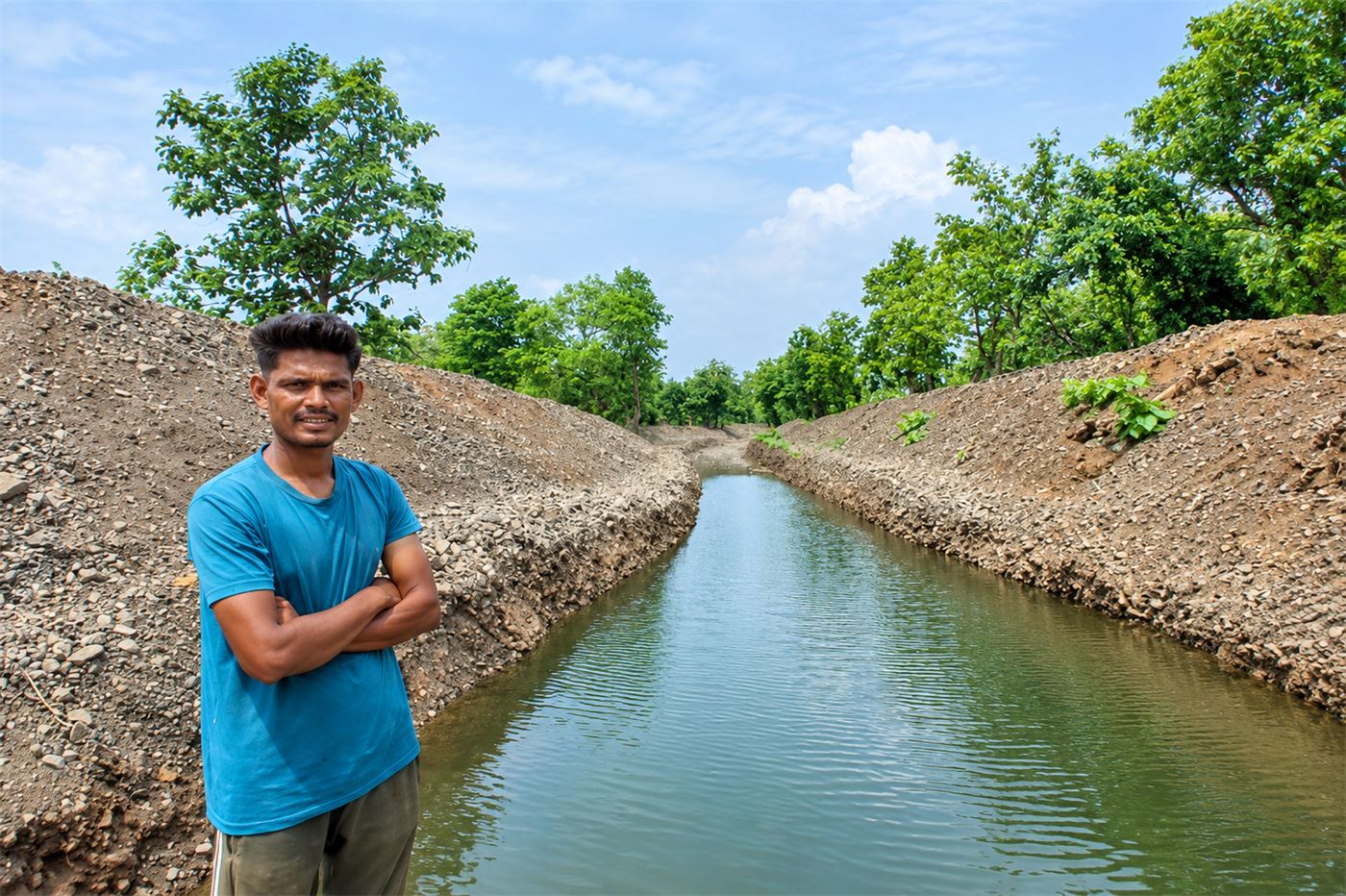
A young man standing beside a Doha structure filled with water
2,800+Doha structures

Quick answers

Frequently asked questions

What is the Doha Model?

The Doha Model is Dilasa Sanstha’s water conservation approach using saucer-shaped excavations along seasonal streams to retain rainwater and support groundwater recharge.

How many Doha structures has Dilasa built?

Dilasa has built 2,800+ Doha structures across Maharashtra.

How much stream length has been treated through the Doha Model?

More than 500 km of seasonal streams have been treated through the Doha Model.

Join us in creating water-secure villages

Every contribution helps farmers access water, improve agriculture and build sustainable livelihoods. All donations are eligible for 80G tax benefit.

Donate now→

Fund this programme through your CSR

CSR-1 registered and FCRA certified, with documented outcomes and reporting your board can rely on.

Explore CSR partnership